Why Political Imagination Has Died--And How to Resurrect It [View all]
 Margaret Thatcher's ghost haunts global politics as leaders worldwide embrace her "no alternative" mantra, leaving citizens trapped in a system that refuses to acknowledge its own ideology.
https://www.socialeurope.eu/why-political-imagination-has-died-and-how-to-resurrect-it
Margaret Thatcher's ghost haunts global politics as leaders worldwide embrace her "no alternative" mantra, leaving citizens trapped in a system that refuses to acknowledge its own ideology.
https://www.socialeurope.eu/why-political-imagination-has-died-and-how-to-resurrect-it
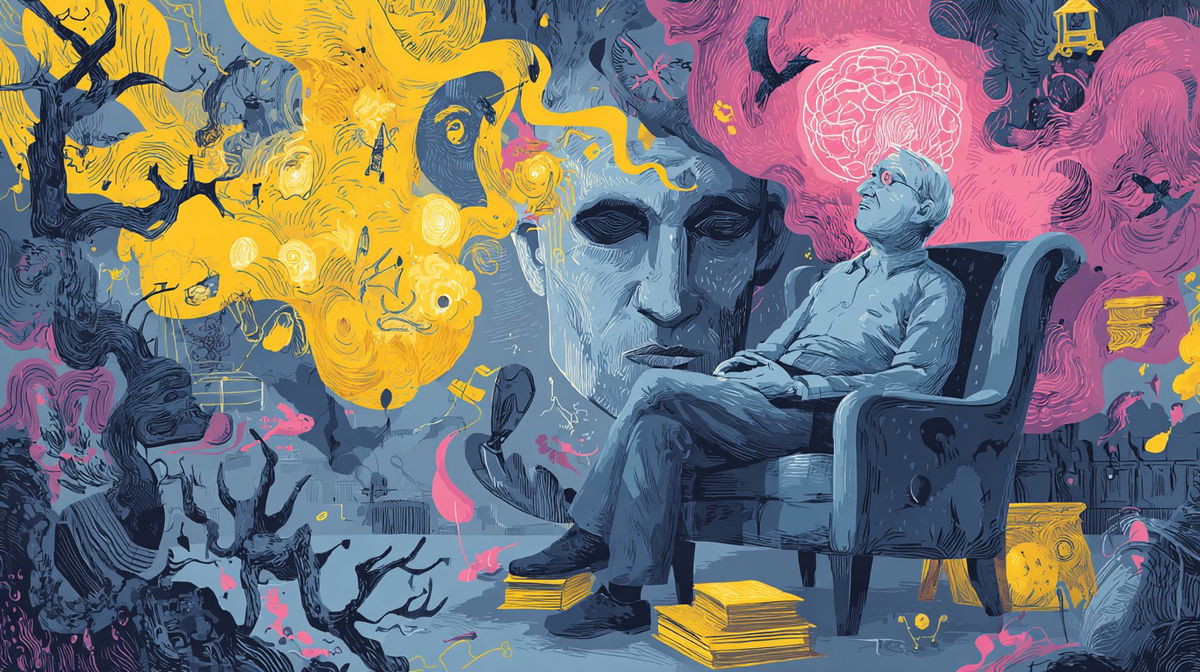
There is a ghost among us. From the Iron Lady of the East being appointed Japanese prime minister to the Iron Lady of Venezuela receiving the Nobel Peace Prize, from the Belgian prime minister tweeting a picture of Margaret Thatcher as his sole response to massive anti-austerity protests, politicians worldwide are once again possessed by TINA—There Is No Alternative. After all, ideology doesn’t put food on the table, according to Bolivia’s president-elect. Yet without a stated ideology, the set of principles underpinning our political and economic system becomes deliberately obscured. The supposed absence of alternatives defeats the very purpose of political participation. How can we reimagine political futures when we’re told none exist?
“So we beat on, boats against the current, borne back ceaselessly into the past.” It has been one century since F. Scott Fitzgerald brought us the story of social and moral decay beneath the empty pursuit of wealth and pleasure in “The Great Gatsby”. At the time, a system pandering to the wealthy elite was heavily contested. In subsequent years, alternative political narratives brought genuine social progress—from redistributive tax policies to workers’ rights. Over the past decades, however, the current appears to have brought us back to Fitzgerald’s New York. Only now, it is no longer contested. The Valley of Ashes, that desolate wasteland of industrial extraction, has been internalised as the natural order of things.
According to Mark Fisher, the British philosopher and author of
Capitalist Realism: Is There No Alternative?, “it is easier to imagine the end of the world than the end of capitalism.” Or, in a more pointed statement of his: “It is easier to imagine the end of capitalism than a left-wing Labour party.” In such a state of capitalist realism—this inability to conceive credible alternative political narratives—how can we make the future believable again and restore faith in social progress?
The ideology that denies it exists
The current dominant mainstream political dogma sells itself as “non-ideological”. A more accurate description would be that we face a non-self-acknowledging ideology. Its central principle—to increase wealth above all else—is so simplistic that it would be difficult to sell on its own merits. The conservation goals of contemporary conservatives appear limited to capital accumulation at the expense of everything actually worth preserving. Therefore, dominant pseudo-conservative, neoliberal political discourse (including its Third Way Labour flavour) dresses up this simplistic ideology with inflammatory takes on migration, idealisation of the past, and stigmatisation of the vulnerable. Meanwhile, it sells out our historical town centres to McDonald’s, our independent businesses to Amazon, and local ecosystems to DuPont Chemical.
snip

 = new reply since forum marked as read