1914 Ludlow Massacre took lives of 25 miners and family members during bitter strike for fair wages and conditions
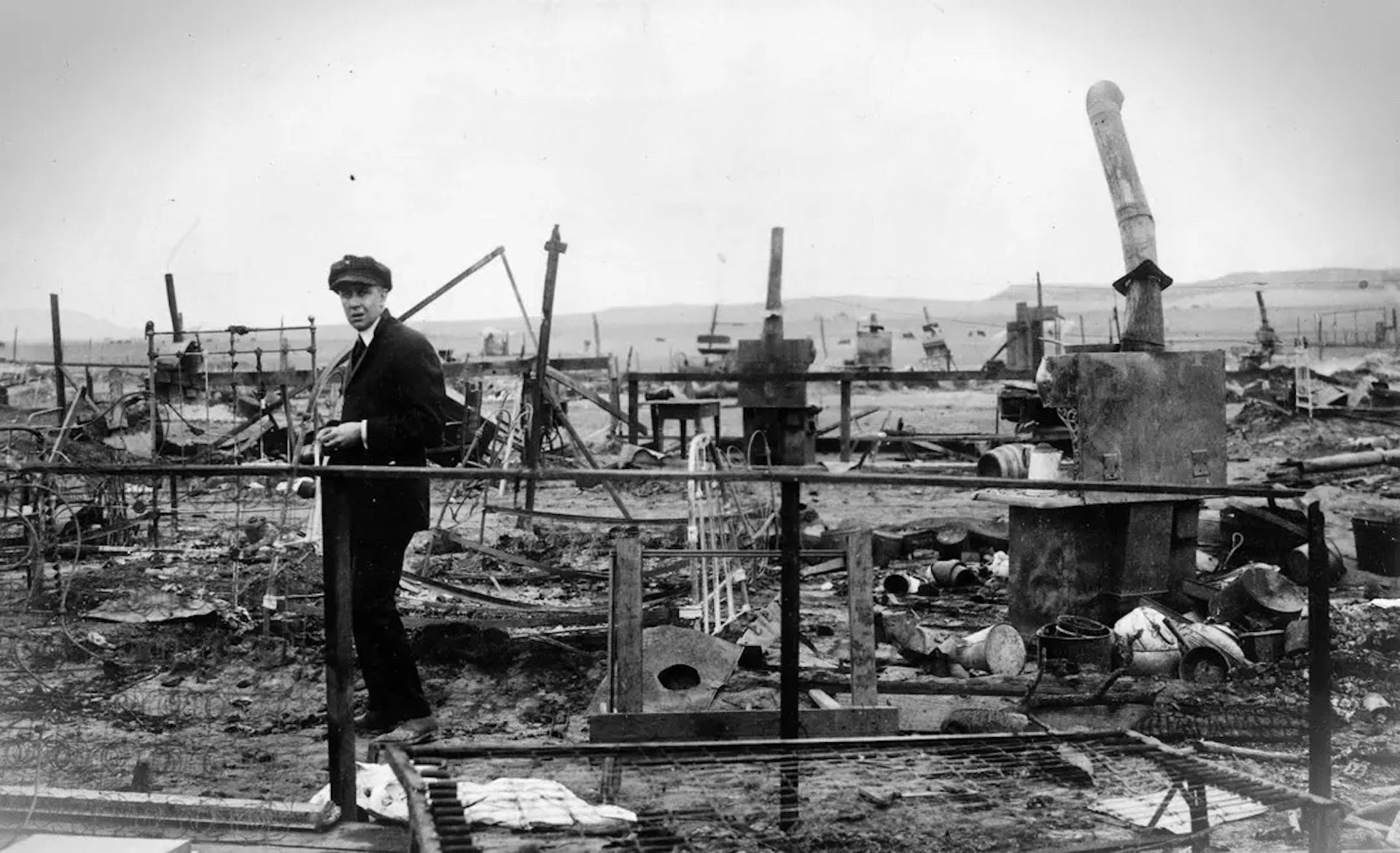
The Ludlow Massacre in 1914 on this site brought congressional attention to miners’ labor rights in Colorado. Denver Public Library
https://theconversation.com/1914-ludlow-massacre-took-lives-of-25-miners-and-family-members-during-bitter-strike-for-fair-wages-and-conditions-278626
On a spring morning in 1914, miners in Ludlow, Colorado, were celebrating Greek Easter when the Colorado National Guard and a private security agency opened fire on their camp with a machine-gun-equipped armored car called the Death Special.
The miners waged a pitched battle with the National Guard for 10 days before President Woodrow Wilson ordered federal soldiers to intervene. An estimated 69 to 199 people were killed. It was the end of one of the most bitter and violent miner strikes in U.S. labor history, which had begun in September 1913. The strike and massacre prompted Congress to take a hard look at labor reform. But significant changes in labor relations and unionization didn’t come until the mid-1930s.
Some state labor laws were on the books, but in 1914 the U.S. House Committee on Mines and Mining reported: “Colorado has good mining laws and such that ought to afford protection to the miners as to safety in the mine if they were enforced, yet in this State the percentage of fatalities is larger than any other, showing there is undoubtedly something wrong in reference to the management of its coal mines.”
Once the initial shock of the violence wore off, the Ludlow strike received little public attention outside of the immediate families affected and some Colorado residents until late in the 20th century. In “Where Are the Workers,” Mary Anne Trasciatti, a professor at Hofstra University, and I edited a collection of essays written by labor historians and archivists that explore nationwide efforts to bring the history of labor and working people into mainstream narratives of U.S. history.
FULL story at link above.

 = new reply since forum marked as read
